
There is something special about spending time outdoors in the fall. The air is crisp, the leaves are changing, and those first cool evenings make gathering around a fire feel particularly inviting. Here in Ontario, it’s also the time of year when mosquito season is winding down, making it that much more enjoyable to linger outside without the bugs that can make summer evenings less appealing.
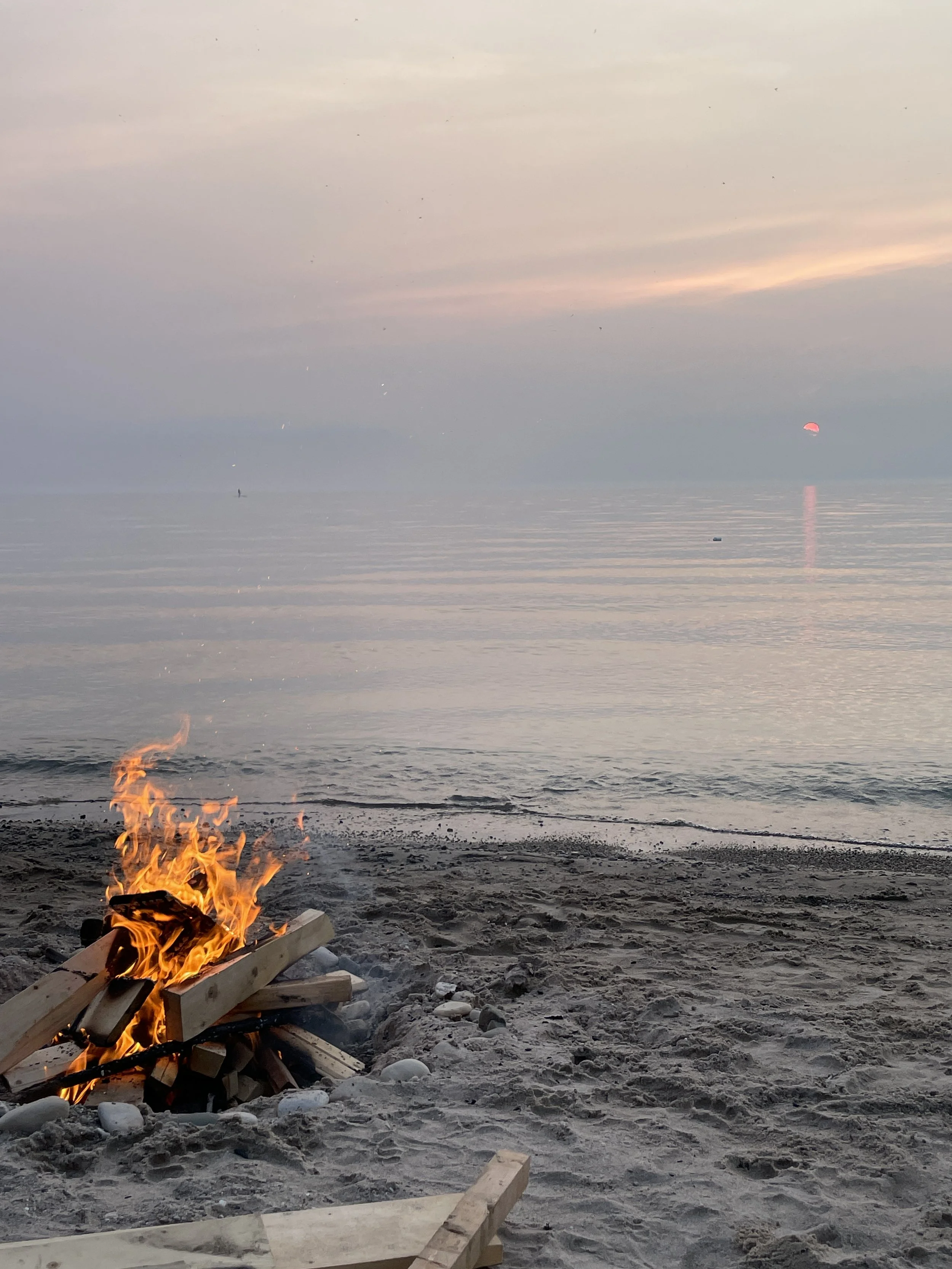
With a little warmth, there is no reason to retreat indoors as soon as the temperature begins to drop. Adding the element of fire to an outdoor space creates a natural gathering place while bringing warmth, light, and ambience into the evening. It can also help extend the outdoor living season well into the cooler months, giving you more time to enjoy the changing fall colours, crisp air, and unmistakable feeling of autumn outside.
Depending on your space, lifestyle, and budget, there are several ways to incorporate fire into an outdoor design—from a custom wood-burning fireplace to something as simple as the flicker of candlelight. Here are four of our favourites.
1. Create a Focal Point with an Outdoor Fireplace
For a more permanent outdoor living space, a built-in wood-burning fireplace can become the natural focal point of the entire design.

Hoefnagels Outdoor Living
An upright outdoor fireplace creates a strong architectural presence and establishes a sense of hierarchy within the space, much like a fireplace does inside the home. Arrange seating around it, and the purpose of the space becomes immediately clear: this is somewhere to gather, get comfortable, and spend time together.
There is also something particularly appealing about a wood-burning fireplace in the fall. The warmth of a real fire, the sound of burning wood, and the scent of woodsmoke complement the crisp air and changing landscape.

This built-in niche keeps firewood neatly stacked and close at hand.
Hoefnagels Outdoor Living

The extended hearth does double duty, providing extra seating and a convenient spot to sit and tend to the fire.
Hoefnagels Outdoor Living
When we custom design an outdoor fireplace, we also look for opportunities to make it work harder for the space. For our Hoefnagels Outdoor Living Project, we added a bench along the hearth for extra seating, plus a niche beside the fireplace to neatly stack firewood and keep it within easy reach.
These practical details become part of the architecture rather than an afterthought, helping the fireplace feel fully integrated into the overall outdoor design.
2. Consider a Built-In Gas Firepit
If you love the warmth and atmosphere of a fire but would prefer to avoid the maintenance associated with burning wood, a built-in gas firepit can be an excellent alternative.
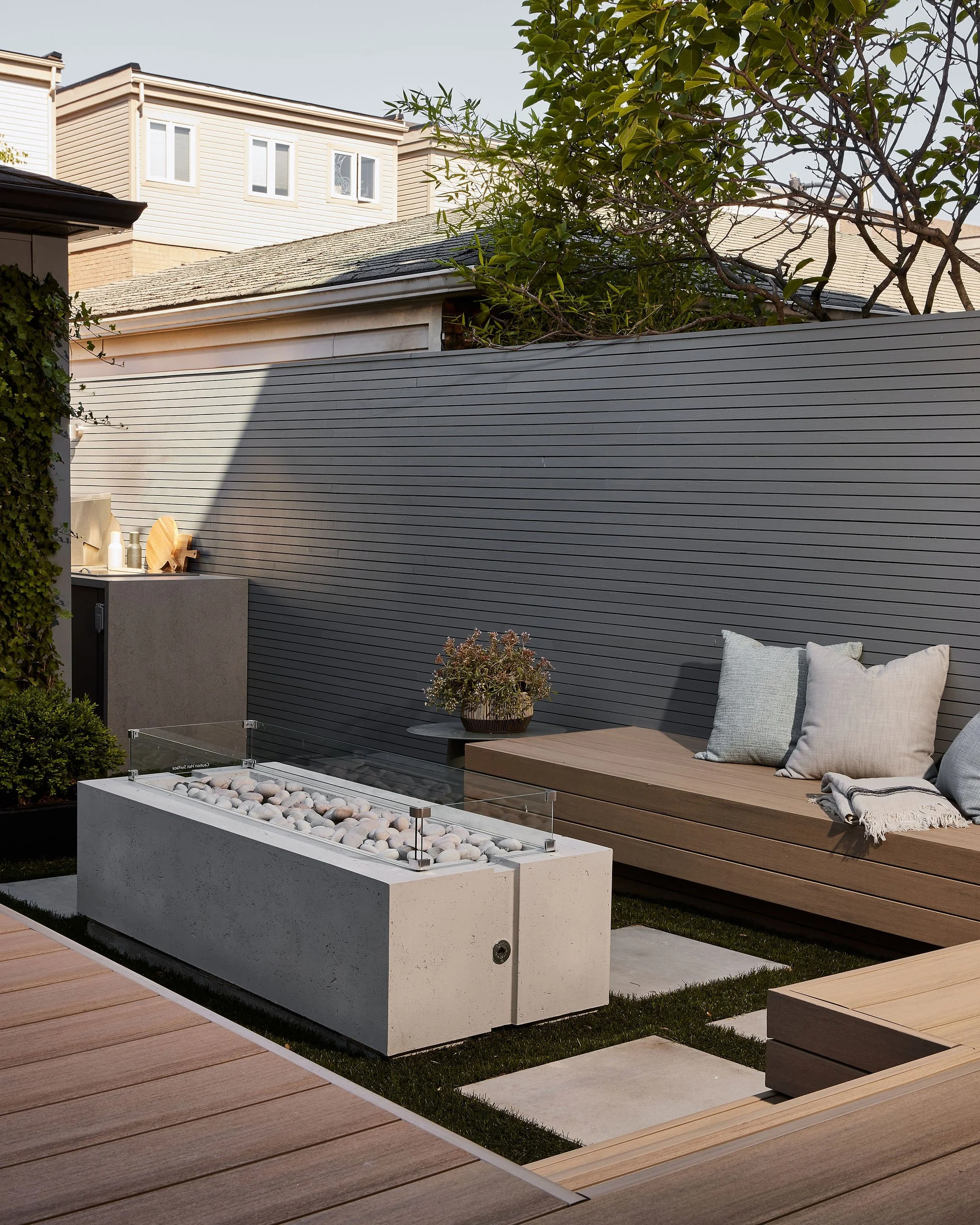
The Avera Concrete Fire Pit by Dekko features a fitted glass top that doubles as a coffee table when not in use.
Beaches Residence
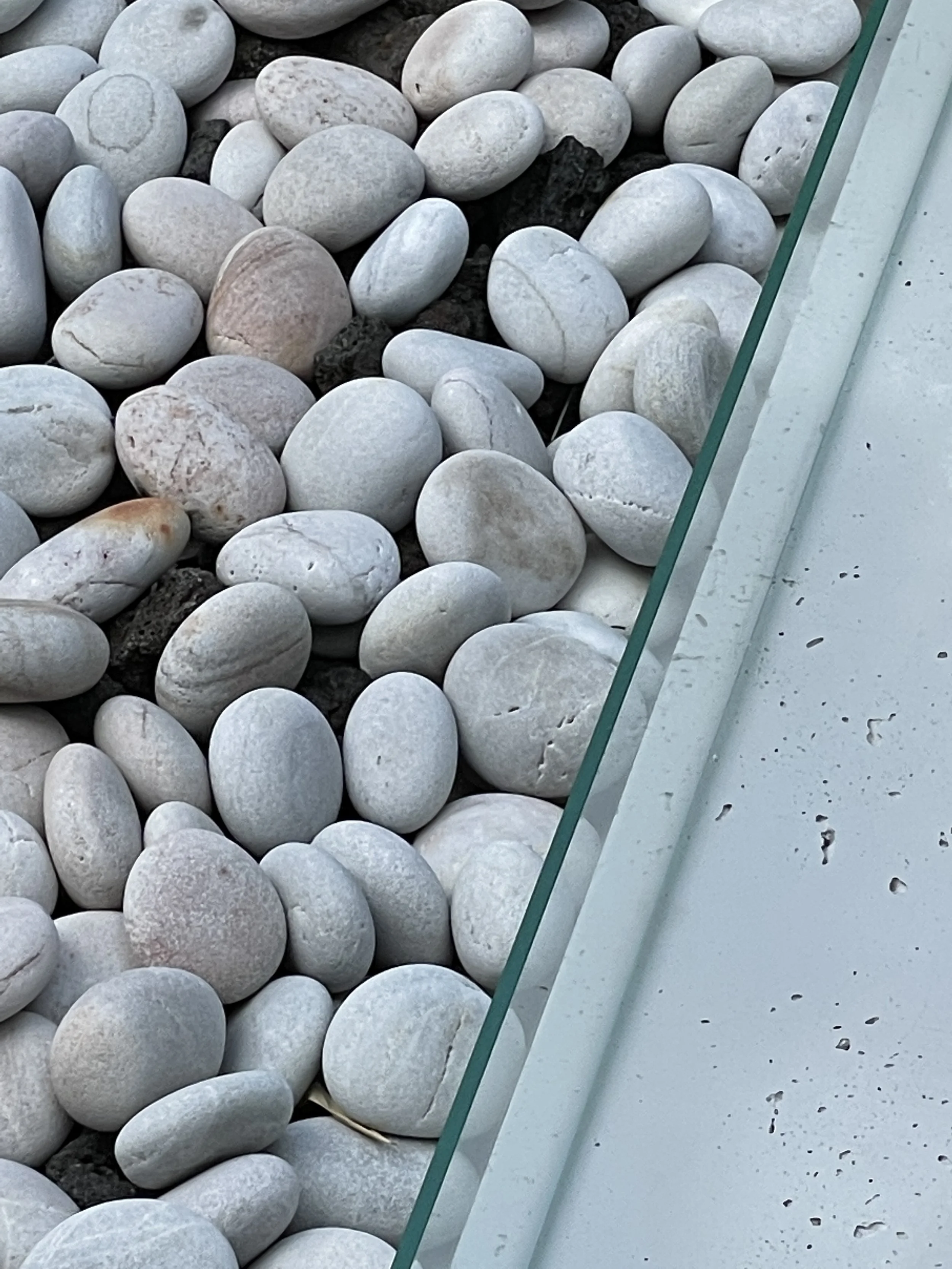
Gas firepits require more planning at the outset because the location and gas connection need to be coordinated, but once installed, they offer the convenience of a fire without the need to store firewood or clean up ash afterward.
They can also be particularly effective in smaller urban outdoor spaces where a full-scale fireplace may not make sense.
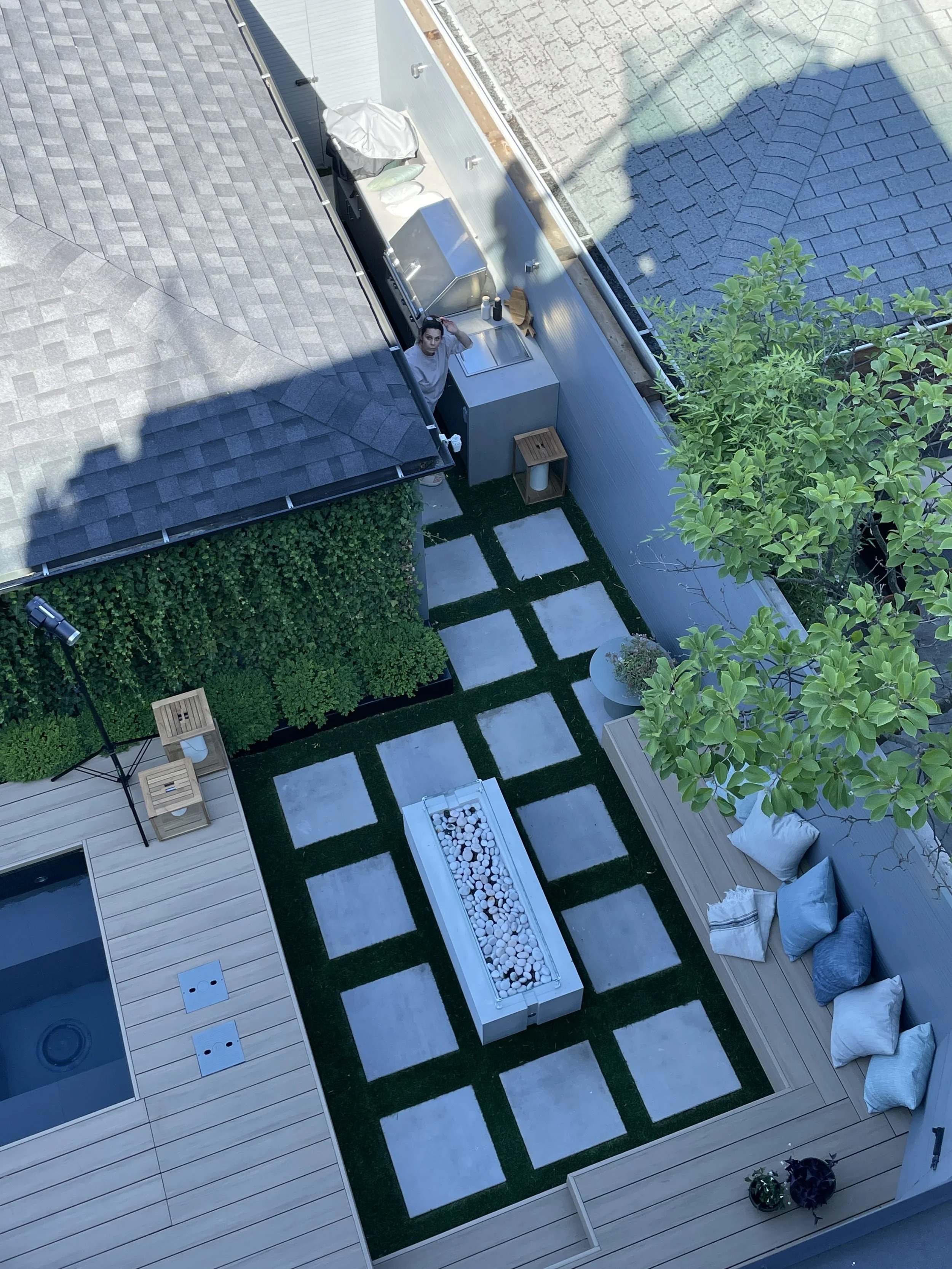
Beaches Residence — Backyard
For the backyard of our Beaches Residence in Toronto, we used the Avera concrete firepit from Dekko, pictured above. Its streamlined architectural design worked beautifully within the contemporary space, but what made it particularly useful for a small city backyard was its versatility. A fitted top allows the firepit to double as a coffee table when the fire isn’t in use, giving one piece two functions without taking up additional space. When square footage is limited, we are always looking for opportunities like this to make an outdoor space work harder without making it feel crowded.
3. Keep It Flexible with a Wood-Burning Firepit
You don’t necessarily need construction or a large budget to bring the warmth of a wood-burning fire into your outdoor space.
A freestanding wood-burning firepit can create an instant gathering place in a backyard, on a deck where appropriate, or by the lake. Unlike a permanent fireplace or built-in gas firepit, it also offers greater flexibility and is available at a wide range of price points.
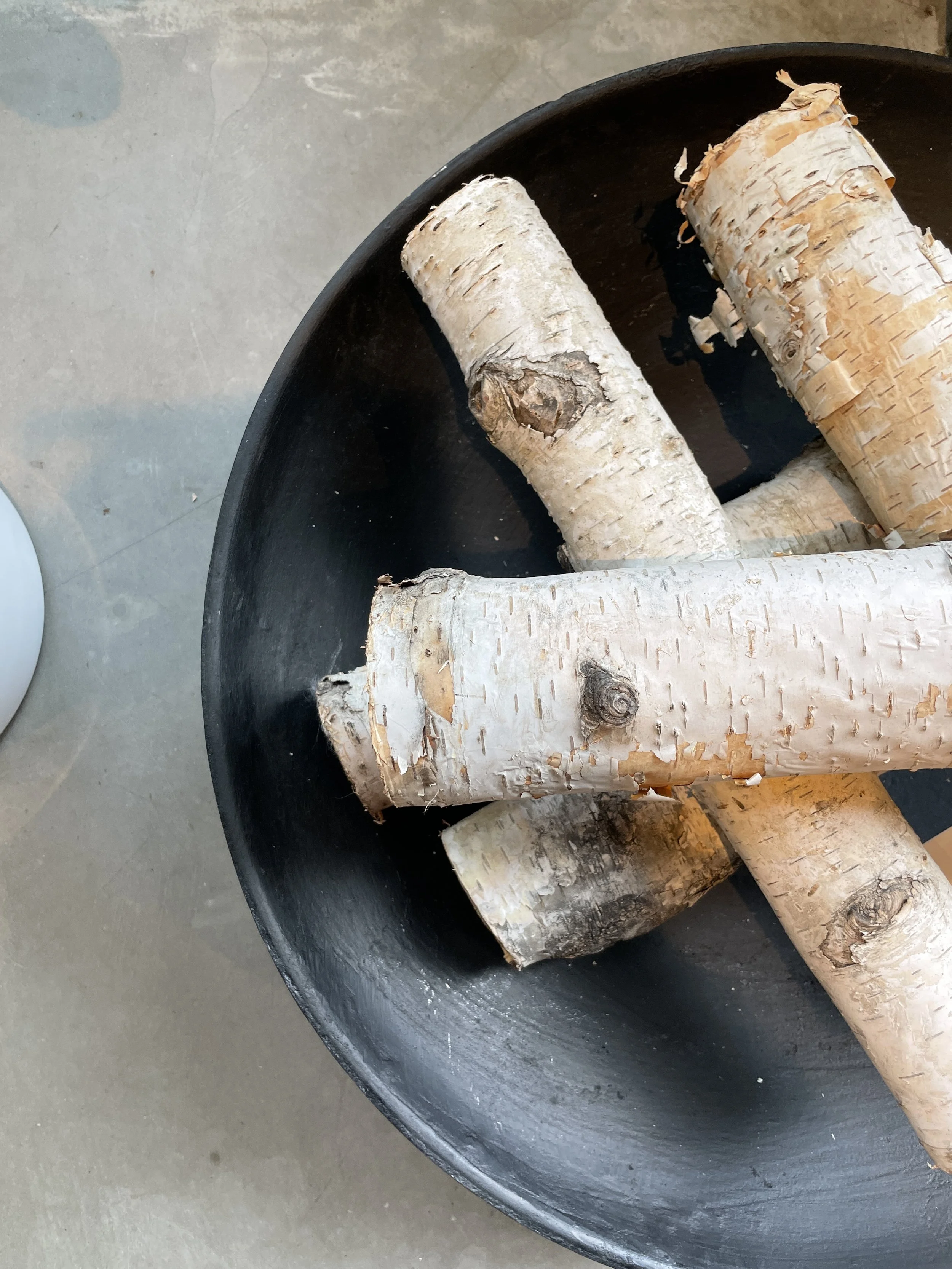
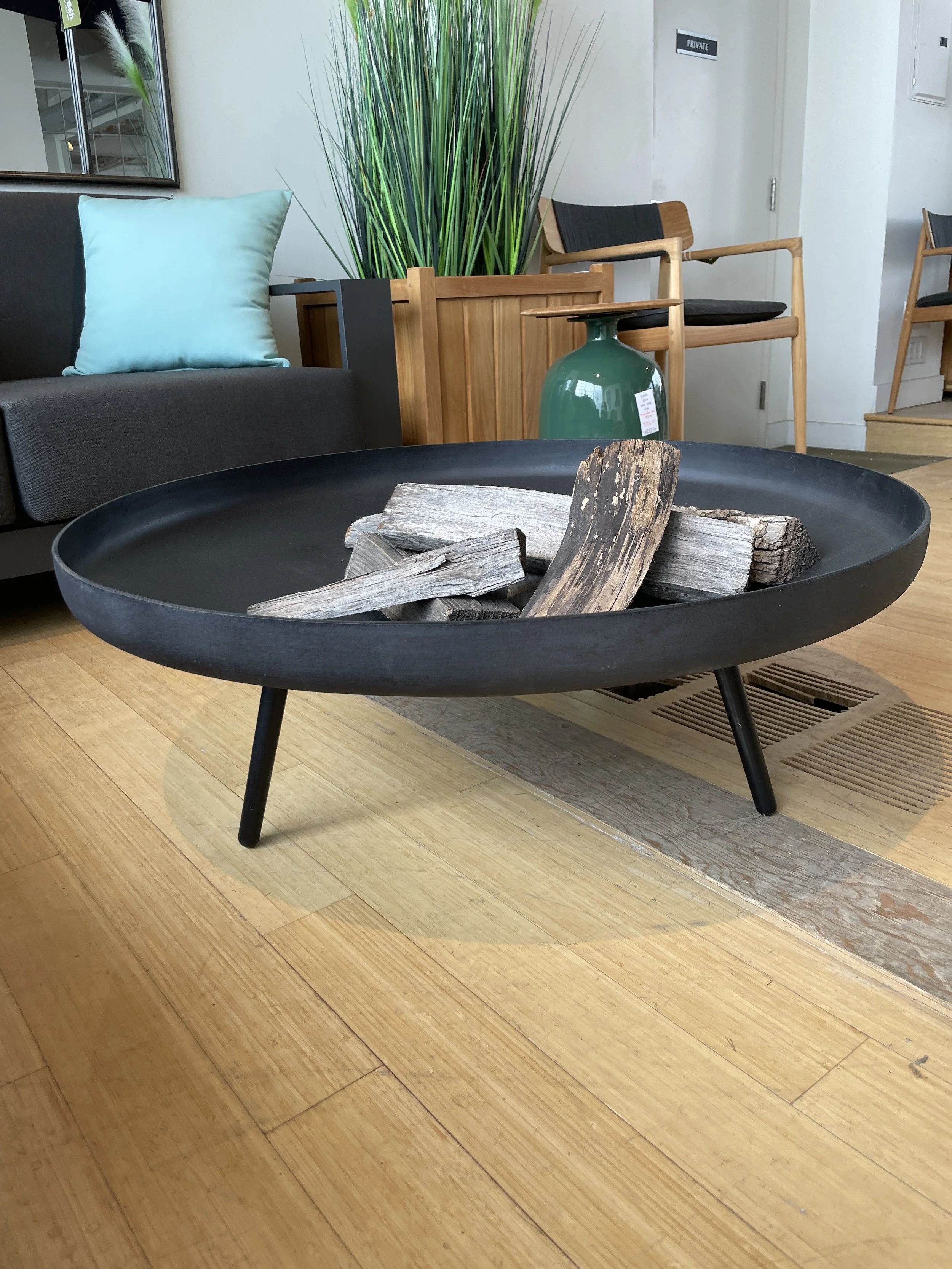
Before adding any type of outdoor fire feature, be sure to check your local bylaws, fire regulations, and any manufacturer requirements regarding placement, clearances, and suitable surfaces. Regulations can vary by municipality and by the type of fire feature you choose.
For us, material is one of the most important considerations. Look for a firepit constructed from high-quality, durable steel that is designed specifically for prolonged outdoor use. A well-made firepit should be something you can enjoy for many fall evenings and many years to come.
We particularly love the simplicity of the outdoor firepit designs from Fritz Hansen. Their sculptural quality allows them to contribute to the design of an outdoor space even when a fire isn’t burning.
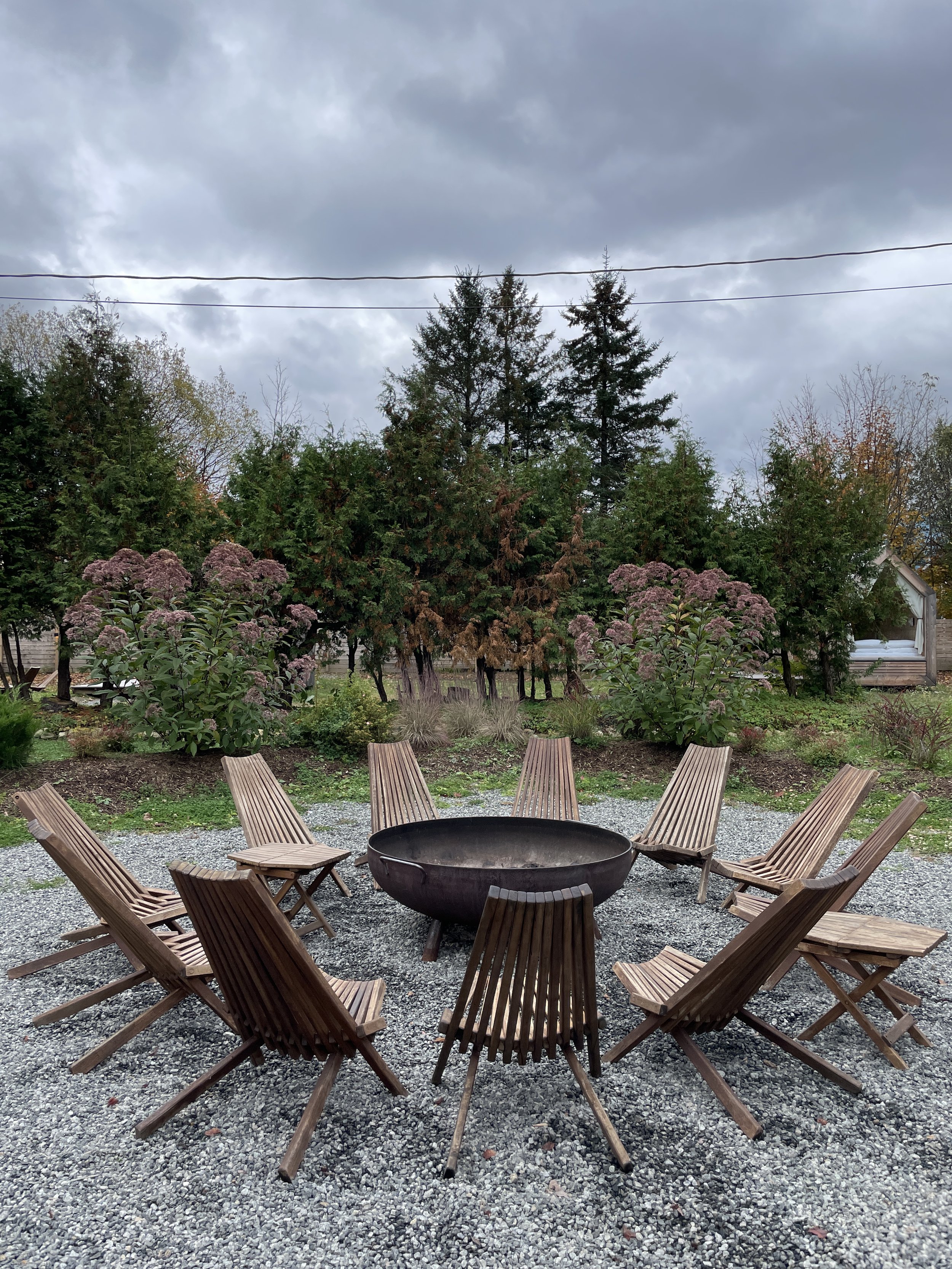
A freestanding firepit can also create a wonderful destination within a larger property. Rather than placing it immediately beside the house, consider creating a dedicated seating area farther into the garden or landscape. Surrounded by autumn foliage and comfortable seating, it can become its own special place to gather on a cool fall evening.
A Few of Our Favourite Outdoor Firepits
Looking for a freestanding firepit?
Here are a few beautifully designed options we love for bringing warmth and atmosphere to an outdoor space:
Helios Firebowl by Skagerak by Fritz Hansen
Geometric Firepit by Plodes Studio
Petal Firepit by Plodes Studio
4. Don’t Underestimate the Glow of Lanterns
Not every outdoor space needs or can accommodate a large-scale fire feature.
Sometimes the flicker of a candle is enough.
Lanterns are one of the simplest ways to introduce warmth and ambience to an outdoor space without construction. In addition to providing soft evening light, they act as decorative accessories that help layer the space in much the same way that lighting and accessories do indoors.
One of the advantages of lanterns is their flexibility. Group several together beside a seating area, use them to softly illuminate a pathway, place one on an outdoor dining table, or move them around as the way you use the space changes.
We generally recommend outdoor lanterns with glass sides, which help protect the flame from the wind. In particularly exposed locations, a high-quality battery-operated candle can provide a similar flicker without the worry of the flame blowing out.
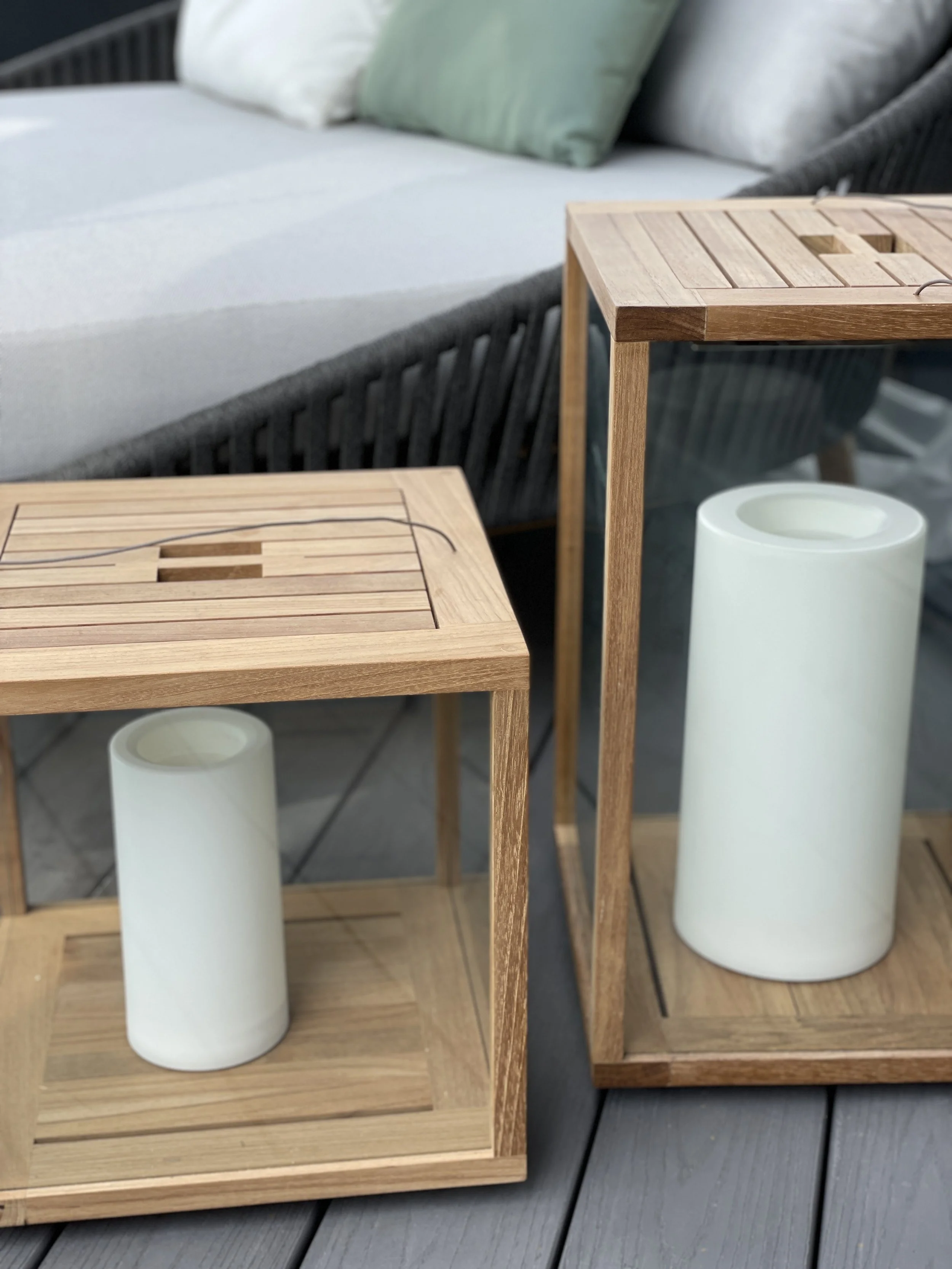
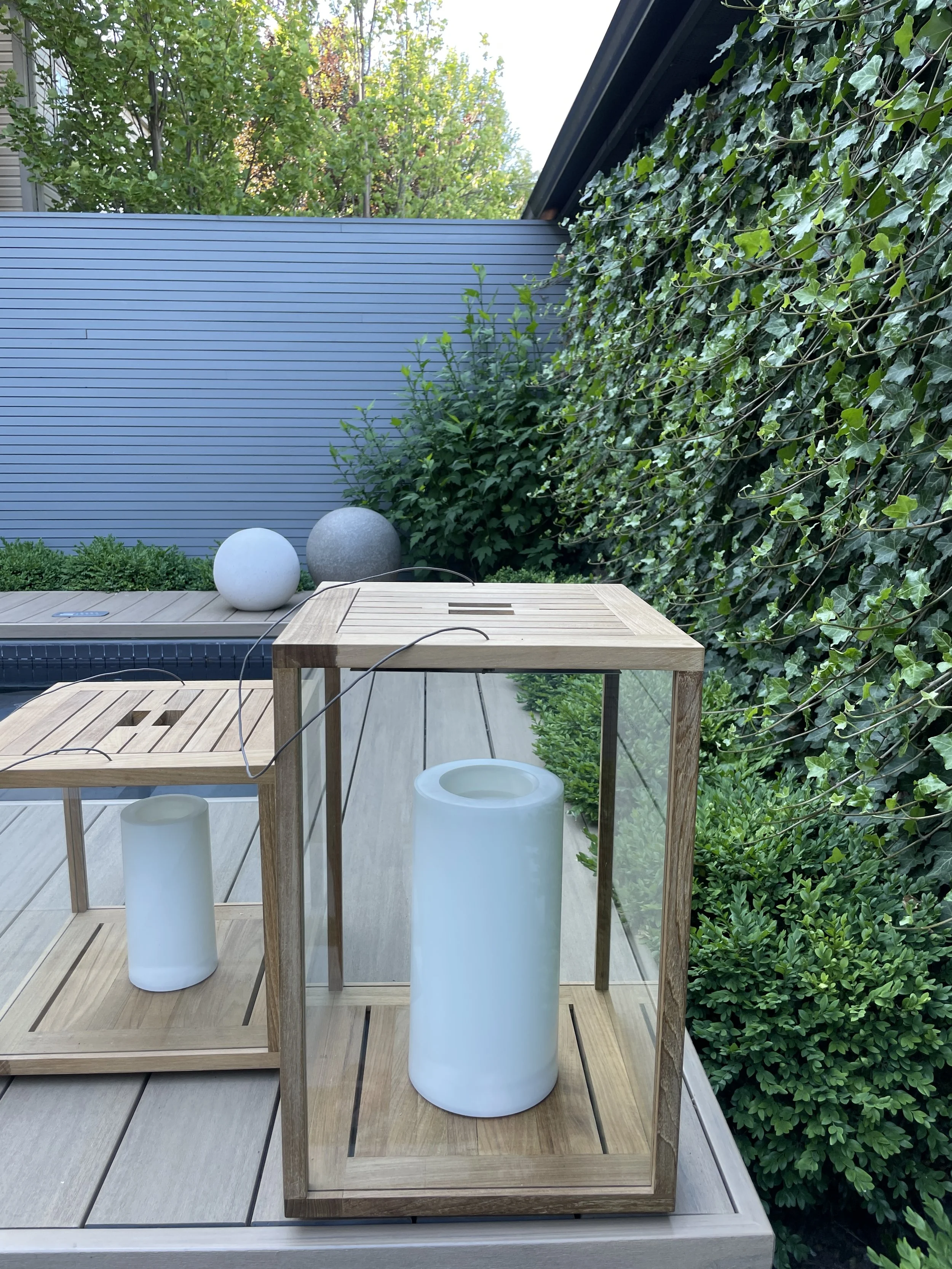
We love the teak Tribù lanterns we used in both our Beaches Residence backyard and Beaches Rooftop. The combination of natural teak, glass, and candlelight adds warmth without competing with the surrounding architecture or landscape.
And while lanterns may be the smallest source of fire on this list, their impact on the atmosphere of an outdoor space, especially as daylight fades on a crisp fall evening, shouldn’t be underestimated.
Make the Most of the Fall Outdoor Season
Fall doesn’t have to signal the end of outdoor living. In many ways, it can be one of the most beautiful times of year to enjoy your outdoor space.
A fire creates a reason to stay outside a little longer—to sit beneath the changing leaves, enjoy the cool air, and gather with family and friends as daylight gives way to evening.
Whether that warmth comes from a custom outdoor fireplace, a built-in gas firepit, a freestanding wood-burning firepit, or simply a collection of lanterns, the right solution depends on the scale of your space and how you want to use it.
At Studio Ha/Wa, we consider outdoor spaces a natural extension of the home and design them to be enjoyed through as much of the year as possible. Contact us to book a free discovery call and find out how we can help bring your vision to life, whether you’re planning a residential or commercial project. Or explore our services to learn more about our approach to creating thoughtful, functional spaces.
